

Gastronomic Grand Tour
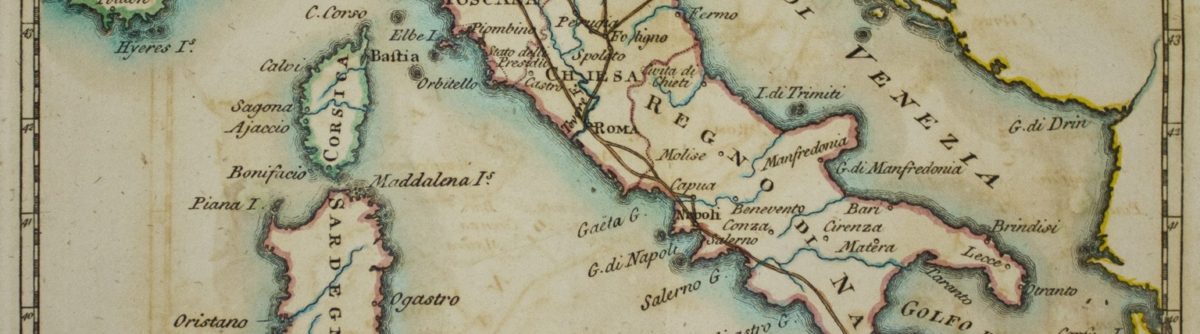
Gastronomic Grand Tour
Alexandra Singh
MSSE Capstone, Grand Tour Summer 2023
UNCG Department of Geography, Environment and Sustainability
Advisors: Dr. Aaron Allen, Dr. Kailan Rubinoff, Dr. Plaxedes Chitiyo
Introduction
The “Grand Tourists” of the 17th and 18th century journeyed to Italy for cultural enlightenment, adventure, and a fair bit of indulgence. Through the experiential study of music, art, language, food, and architecture, this elite demographic explored a level of sophistication and knowledge through cultural exchange which they extended to loved ones back home and endorsed it as a worldly right of passage (1). Fast forward to today, a time of commercialized and globalized unsustainable tourism, study abroad has a critical role to play in educating new generations on the ethics of modern tourism alongside cultural literacy. While participating in UNCG’s re-imagination of the Grand Tour, I’m navigating the ideals of sustainable tourism as a modern student abroad with a cultural backdrop of music, art, language, and most importantly, food! Italian culture and identity is inseparable from their authentic food tradition, with its food and drink industry accounting for 25% of GDP (2). As the UNCG Grand Tour incorporates the Slow Food Movement into its curriculum with intentional elements of sustainable Italian food tourism, my focus throughout this journey has been on the ways in which study abroad can influence local food economies, as well as how personal understandings of sustainable food and tourism are linked to cultural enlightenment. Like the original Grand Tourists, these self-reflective takeaways can have lasting and influential effects on sustainable tourism trends and personal growth.
As a study abroad professional with significant experience abroad as both a student and administrator, I’m also approaching this project with the particular lens of how the Grand Tour experience of today has a way of unraveling what students think they know; about travel, about how to relay their experiences, and about themselves in relation to others and the world outside of their own. I also am taking a deeper look into the distinction of this particular program which is unlike any study abroad program I have experienced thus far, and I liken myself to be somewhat of an authority on the matter as I am a self-diagnosed study abroad addict. With these students being constantly on the move from one place to another rather than settling into one location (which I’m usually in favor of in order to immerse in community), they are constantly kept on their toes, alert, engaged, and curious. In the age of social media and constant information at our fingertips, experiential study abroad has a unique task in instilling a new sense of wonder and curiosity in 21st–century students. For the original Grand Tourists of the 17th and 18th centuries, and frankly, anyone before the age of smart phones, traveling abroad was one of the ultimate out-of-body, explosive, euphoric, life-changing experiences. Now, Gen Z students abroad have to filter through what they have been exposed to (bombarded with, more like) their whole lives via the internet and finally look up and see the world around them. This is a challenge in and of itself – slowing down. Sitting still. People watching. Listening. Struggling in another language. Navigating foreign systems. Using a bidet. Walking. Walking. Walking, a lot.
Although the Grand Tour was historically designed for an elite demographic of aristocratic British men, UNCG’s Grand Tour is accessible and engaging for current and future students, with an emphasis on holistic food systems. As a Master’s student in this program, I view myself as a removed participant observer of how this evolved Grand Tour shapes the modern student’s worldview and personal growth, while also experiencing my own evolution as a Grand Tourist. Social media, for all of its follies, is also an effective communication tool with the power to provide information in an accessible way. I personally struggle with the constant screen time our younger generations demand, and I’m curious how students reconcile the tactile experiences that only come from being wholly present while studying abroad with the nearly-compulsive need to share it on social media. However, is this not in a way what the historical Grand Tourists did? Gen Z students utilize social media as a platform for disseminating information and sharing what they see, think, and feel. Perhaps students’ use of social media while on the Grand Tour is simply a way to engage with issues of sustainable food tourism and sharing what they experience with those back home. I’ll be interested to see how this phenomenon catalyzes conversations which foster cross-cultural communication and spreading awareness of the benefits of study abroad and sustainable tourism.
By participating in a modern adaptation of the historical Grand Tour, my capstone project is a reflective travel blog which focuses on sustainable food tourism in Italy. With an emphasis on authentic Italian cuisines and agricultural methods as an element of cultural identity, my hope is to provide a window for students and travelers interested in the intersection of food tourism, sustainability, and cultural experiential education. Through blogging my way through the Grand Tour, not only will I learn more about the quality, sustainability, and practicality of local food systems, but I hope to raise awareness with my U.S. audience regarding the future of the Slow Food Movement which we can learn from through the Grand Tour experience.
Milano, June 16-18
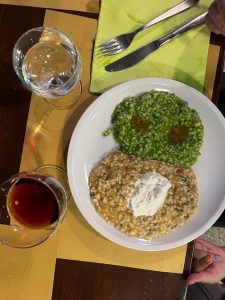
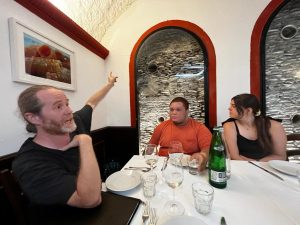
Our journey begins in Milan, where Dr. Allen oriented us to city navigation and the basics of functioning in a foreign country, which includes procuring Italian sim cards, deciphering a metro map, and of course, how to scoot by with some basic Italian phrases! The highlight of our first day in Italy was our very first dinner together. With a bit of hindsight, this is an incredibly exciting moment as a study abroad group. Feeling the eagerness and anticipation of the group, still getting to know each other, eyes tinted with rose, our first dinner as a group was buzzing with “what’s this, what’s that, wow can I try a bite?” We had our first dinner at Trattoria da Abele Temperanza, which specializes in a local saffron-spiced risotto and regional delicacies such as quail and veal. In what we soon learned would be our experiential classroom, we spent the duration of our slow, relaxed (and jetlagged) dinner discussing Italian restaurant cultures. We learned about the distinct eateries of Italy, beginning with osteria, which is a casual, ever-changing menu, with a hint of haste and notes of chaos. The next category is the trattoria, which is by no means a fine-dining experience yet has a bit more dignity and pride in its quality of food and presentation. However, it is very much a “let’s see what’s in the kitchen” type of place, with paper napkins and a more laid-back atmosphere. At our first dinner, Dr. Allen encouraged us to explore and embrace all of the typical multi-course elements: antipasti, primi, secondi, and of course, dolce! Many of us are not used to slow meals, with many courses stretched over two to three hours. We were all so excited to try everything, we quickly realized we would need to pace ourselves for the rest of the trip and order only what we knew we could eat! Dr. Allen also told us about the wine culture, which wines pair well with which foods, etc. Those of us who are of age got to try a few different kinds of local wines, and Dr. Allen explained a special night-cap drink called grappa. This is a very strong drink made from the recycled brine leftover from the wine-making process. A few of us tried it, and funny faces soon followed! Overall it was a wonderful start to our food journey in Italy.
Another point of focus as a modern Grand Tourist is to experience the opera. I think I speak for many of the students when I say that the elegance and grandeur of going to an opera is not something we are used to, and it was an absolutely breathtaking experience. We had the opportunity to tour the Teatro Alla Scala museum before the evening show, where we were able to learn a bit about the history of the craft and the all-encompassing art form of opera. Dr. Rubinoff briefed us on the musical stylings of Giuseppe Verdi, composer of Macbeth which we were to see that evening. I have never been to an opera and did not know the story of Macbeth, so this was an incredible first-time experience for many of us! This particular production was unique in its set design and context; while Macbeth is usually set in medieval Scotland, the performance we saw featured a twist in setting that was more modern-corporate. This sparked an animated discussion amongst the students as to the evolution of art and audiences to indulge changing times and tastes.
We walked through the famous fashion district which, although most of the sustainability students are less-interested in topics of fashion, is nevertheless an integral element of Italian culture worthy of exploration. From the fashion district we found ourselves in the Piazza dei Mercanti, which historically was a central place for merchants, markets, and livestock processing. Dr. Allen pointed out the blaring addition to the piazza, a McDonalds. Naturally, this is antithetical to the original atmosphere of the piazza. To add another layer of complexity, we came across an Anonymous for the Voiceless group educational protest where people were spreading awareness about the ethics and animal rights violation of industrialized meat production, with very graphic videos and spokespeople engaging passerby in conversation about food ethics. Grand Tour students had the impromptu opportunity to share their sustainability knowledge regarding food systems and discuss Italian contexts with local activists. It was a very poignant cross-cultural educational experience, in a place layered by the history of local food systems, set against a McDonalds and Italian food activists.
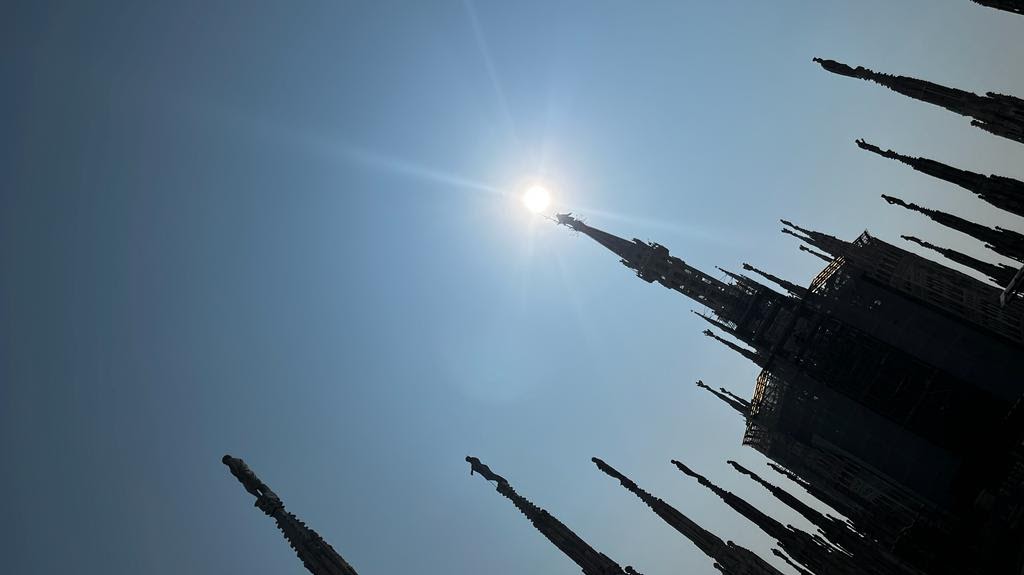
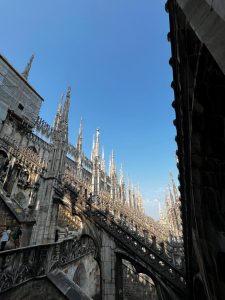
Our last day in Milan we climbed to the top of the Duomo, which is the seat of the Catholic Church in the city. This would be the first of countless church visits, as churches in Italy reveal layers of history through architecture, religious and cultural evolutions, and the lasting significance of Catholicism in modern Italy. Dr. Allen took this opportunity to point out architectural, geological, and religious themes throughout the church which we would learn to notice on our own explorations throughout the trip. We finished our day with a casual tasting of various Italian street foods, a walk through a park where Dr. Allen pointed out an abundance of growing fruit for the public, and a visit to a war memorial. The curator of the memorial was so touched by a group of American students showing interest in Italian history and monuments, and we had the opportunity to speak with him about Italy’s changing cultures and its deeply-rooted sense of heritage. This was yet another opportunity for students to appreciate the impact of mindful tourism and its capacity for cross-cultural understanding and windows into new perspectives.


Padua, June 19-20

Our journey to Padova was an opportunity for students to learn how to maneuver and navigate an Italian train station. Dr. Allen pointed out signs noting binari (platforms) and the electronic signs which show train numbers, estimated arrivals, and platform numbers. He also took care to explain on the map the route we were taking and noted possible confusions to look out for when boarding Italian trains. All of this, he explained, was crucial to pay attention to as later in the trip students would be expected to navigate on their own without guidance. As we were briskly walking to our platform, Dr. Allen pointed out a sign that claimed Milano Centrale Station achieved “zero waste” travel. We discussed how such a statement is blatantly impossible; there will always be waste where there be humans, but it is a matter of how efficient, proactive, and mindful we can be to mitigate and offset it.
When we reached Padova, Dr. Allen facilitated a silent sensory walk for students to recenter and focus on our intention as students abroad – to experience the world around us. Study abroad is so much about navigating social dynamics and simply enjoying the experience with new friends, but sometimes we can get caught up in our own little group without fully experiencing a place. Dr. Allen challenged students to be mindful as we explored Padova in silence, tuning our ears toward the sounds of Italy without the distractions of our own voices. He additionally requested that no one use their phones during this time (a period of fifteen-twenty minutes), which is a big ask of students eager to take photos and access social media. We ended up in a park surrounded by statues of professors of Padova University, the second oldest university in the Western world. There we sat and debriefed the mindfulness activity, reflecting on the sounds, the silence, our internal world and our heightened awareness of our external stimuli. Takeaways included how our anxieties can sometimes hinder our ability to appreciate the moment, either by a compulsive need to fill the silence with idle chatter or even to exclaim out loud on what we are seeing or experiencing. In a way, this would subconsciously prepare the group for their independent travel assignment, forcing them to enjoy in silence without the constant need to share it. As an introvert myself, I certainly appreciated this activity in order to reset my own mind and tune into the natural rhythm of this new (actually, old) city.
Coclanis discusses the “seven deadly sins of study abroad,” many of which being very relevant for our goals and challenges as a group. Educational gains aside, I have always believed that the real learning comes in the moments of discomfort, confusion, chaos, and relinquishing our egos. Coclanis hits the nail on the head by arguing that the smartphone is deeply hindering these moments of growth, either by lack of presence, constant distractions, or simply being immature or culturally insensitive with phones (4). I add this note at the end of the program to say that I myself was frustrated with how much students were on their phones, reflecting back to my days of study abroad as an undergraduate before smart phones. As a student peer, it wasn’t always my place to suggest students take a break from their phones and be present. However. Dr. Allen set the tone well with this activity and throughout the program to remind students that the purpose of this program is to experience learning in live-action, not from a screen or book.
On that note, one thing that seems to have unified the group in appreciation of daily cultural experiences (other than the frequent gelato breaks) is quiet times spent in churches. We visited the Cappella Degli Scrovegni and Padova Musei Civici archeological museum and Eremitani church which was re-built in the 19th century. We explored Giotto’s famous mural storytelling in the chapel, in which he visually narrates the story of Christ all the way from Mary’s birth to the Ascension with graphic and symbolic details spanning from opposing virtues and sins to the depths of Hell and High Heaven. He strategically maneuvers both an artistic portrayal of the faith while also hinting undertones of cultural hypocrisies and the follies of organized religion. The students all come from a variety of religious and spiritual backgrounds, but we all unite under the artistic domes in the objective understanding of how religion and culture of Italy are inseparable.
We walked through a medieval street food market, where Dr. Allen noted the juxtaposition of large corporate agricultural produce stalls positioned right outside where the artisanal, regional and local products were available inside. We were pleased to see that the medieval, local markets were far more trafficked than the larger corporate ones, as pristine as their displays may have been. We saw varieties of meats hanging from stall windows, cheeses and oils on display, and people exchanging animated market banter. I had a fun opportunity to speak Greek with an Albanian stall keeper who was selling gyros. It was a nice relief to be able to communicate, whereas I usually have to awkwardly apologize in Italian or wait for Dr. Allen to come to the rescue and translate. It was also an interesting observation on how multicultural this market was, with people from all over blending food traditions in such a historical place.
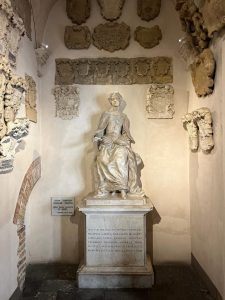
Padova, compared to Milan, is far more quaint with pastel buildings and college-town vibes. We took a tour of the University of Padova where Galileo taught. Perhaps more exciting was the fact that the University of Padova produced the first female graduate, Elena Lucrezia, who is commemorated for earning her PhD in philosophy. We also saw the medieval cadaver learning theatre, which was very intricately designed with narrow and tall amphitheater style seating with the table below in the center for students to observe the cadaver. There were also anatomical frescos along the walls, human skulls lining their base in glass containers, allowing students to visually dissect the human body as they were discovering it first-hand.
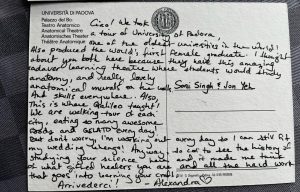
In News from Abroad: Letters Written by British Travellers on the Grand Tour (1), we hear how the original tourists followed the limited guiding documents of where and how to travel, sought out works of ancient and renaissance art, and shared their findings with those back home (often family who helped sponsor such a journey of worldly and self-discovery). This right-of-passage amongst English nobility provided a certain experiential education which equipped them to return to their respective countries to instill cultural shifts. As a time-warp link to the original Grand Tourists, our group of students have been tasked with writing letters (or emails) home to friends and family to share about what they are learning and experiencing as they travel through Italy. They are sending a minimum of one letter for each city we visit, as both an assignment in personal reflection as well as an opportunity to share of their travels abroad. I was inspired by the cadaver theatre at the University of Padova to write to my sister-in-law, who is currently studying for her DPT. I also wrote to my father, who is half Sicilian, to share about my experience so far and to thank him for helping me pay for this experience. It was very reminiscent of what the original Grand Tourists may have written to their loved ones!
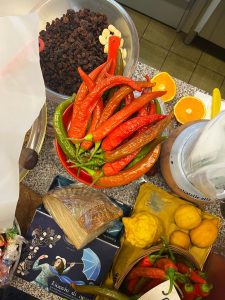
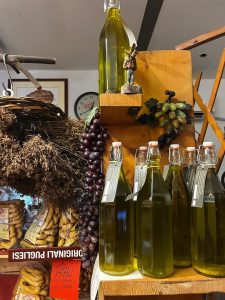
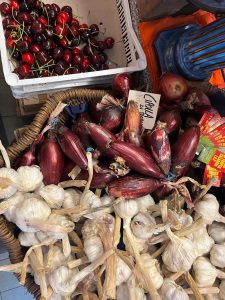
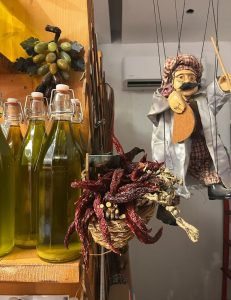
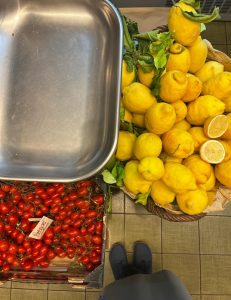
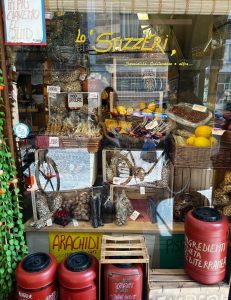
Before leaving Padova, Dr. Allen took us to a lovely pocket-in-the-wall shop filled strategically yet haphazardly with dried fruits, nuts, cheeses, herbs, oils, and bread. The owner of this shop was so delighted to share about the philosophy of his store and how he owned it with his father. He was very passionate about providing quality goods and sharing the food identity of his family and culture. We stocked up on picnic foods for our boat journey to Venice, and bid Padova arrivederci.


Venezia, June 21-22
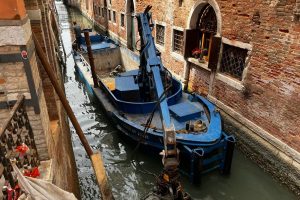
Thanks to the UNCG Green Fund, we were able to take the more sustainable and scenic route via riverboat from Padova to Venice, which was a nice respite wherein we could catch up on our letter writing and ask Dr. Allen lots of questions along the way. The boat included periodic stops to tour historic homes with beautiful frescos and gardens, where Dr. Allen never passes up an opportunity to point out different varieties of fruit trees or significant sculptures and their places in the cultural landscape. We enjoyed a light and authentic Italian picnic of dried fruits, nuts, olives, and sensationally fresh mozzarella.
As we approached the floating city of Venice, Dr. Allen explained the rise of the Venetian empire which began as river folk seeking safety from the violence that ensued from the fall of the Roman empire. They managed to slowly build out into a thriving society on the sandbars of the Venetian lagoon into what has long been a highly romanticized tourist destination for its history, architecture, and culture since well before the original Grand Tourists. However, Dr. Allen challenged the group to see through the facaded rose-colored glasses of being a brief visitor to Venice. Pointing out all the eye-sore industrialism on the outskirts of the moated pastels of picturesque Venice, he brought to light the dark underbelly of keeping an island tourist infrastructure afloat for the sake of its commercialized idealism. As we twisted and folded ourselves into the overwhelmingly beautiful ancient city, Dr. Allen reminded us of the realities of industrial tourism which strips a place of its genuine charm and character, replaced by hordes of trampling feet and “schlocks” of plastic trinkets.
For all the internal conflicts we grappled with as sustainability students/tourists, all of us had to concede the magnificence of this place and the impact of walking the cobblestone labyrinths, over the wonky bridges, and gliding in the gondolas which captured the curiosities of the historical Grand Tourists. I also contextualized the extensive cultural significance of Venetian masks for Carnival and the artistry of Murano blown glass. While there were no shortage of shops to tempt our subconscious drive for consumerism and souvenirs for loved ones, Dr. Allen kept reminding us that we have a responsibility as mindful and sustainable tourists to seek out ethical and community-supporting businesses. So, we consumed with our eyes and ears.
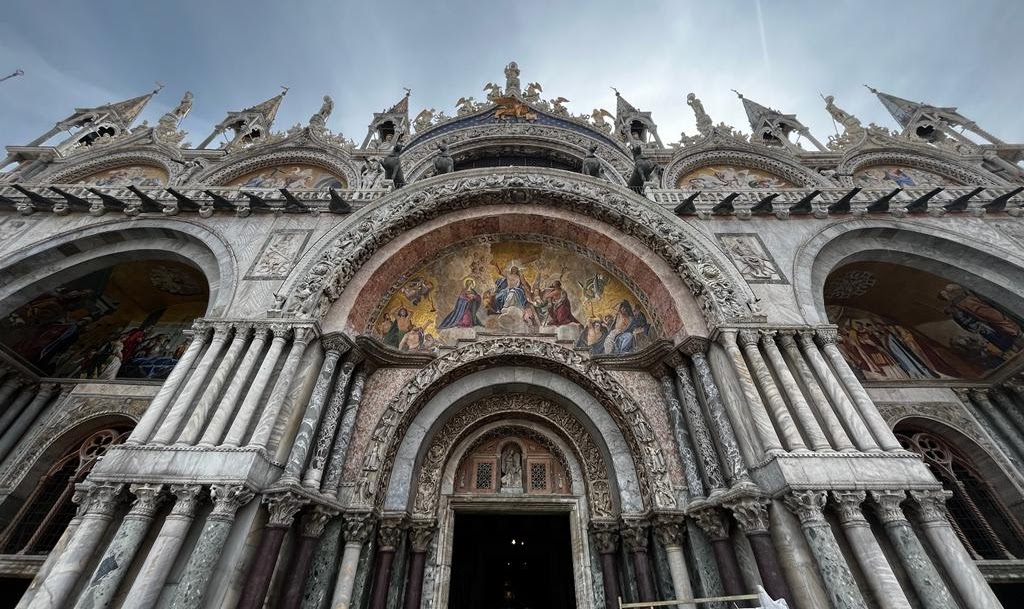
For our one full day in Venice, we got an early start in order to walk through the main areas of Venice without the crowds. Dr. Allen brought us to Piazza San Marco and up the steps of the Duomo before official visiting hours. Since we clearly looked like tourists, the guard was hesitant to let us in before the Catholic mass was about to begin. So, we all agreed to experience the Italian mass and enjoy the inside of the cathedral from a different perspective other than the usual walk-through. Although none of the students are Catholic or understand liturgical Italian, it was a very peaceful experience which provided us a different lens into the religious culture of Italy. As we came out of the church following the service, we were validated in this experiential approach when we saw the massive lines of people waiting to funnel through the church as quick sight-seers. As we retraced our steps from the tranquility of the early Venetian morning, we had to weave through the now tourist-packed streets, and needless to say the charm of the city quickly dissolved.
A new element to our Grand Tour experiential learning was the navigation of Venice’s chaotic water buses. Thus far, students have been learning city metros and local bus routes not so different from what they may have experienced in the U.S., but the intra-city aquatic transportation system of Venice was a unique experience to us all. Since one of the central goals of this program is to cultivate a sense of independence, confidence, and competence abroad, experiencing the water buses was yet another opportunity for students to manage discomfort and chaos while maintaining personal safety and sense of direction. It was also a new challenge that cell reception and Google maps are not very reliable between the narrow and high walls of the city, with twists and turns and confusing signage. Whereas younger generations are used to being able to simply ask their phone where to go, navigating Venice required a higher level of focus and proactive maneuvering.
Searching for the ghosts of the Grand Tourists who came before us, Dr. Rubinoff brought us to the famous Ospedale della Pietà at the Church of Saint Mary of the Visitation, a music school and orphanage where renowned Italian composer Antonio Vivaldi taught. This was a prominent school for girls from wealthy families to learn music and professional development. What was particularly intriguing about this location was not only the orphanage orchestra, but the origins of the rising need for a distinguished and prominent orphanage in Venice. Unlike our modern mission of Leave No Trace as students abroad, the historical Grand Tourists took more than photos and left more than footprints. In addition to the quest for cultural enlightenment and adventure, some Grand Tourists also left behind a tainted legacy of children out of wedlock. While we can imagine the accompanying shame of such a scandal, noble families were compelled to sponsor a promising future for these orphans by way of the best musical education the city could provide. Inside the walls of the church, we could hear the soft music of Vivaldi while reflecting on the dramatic human saga of the Grand Tourist era.
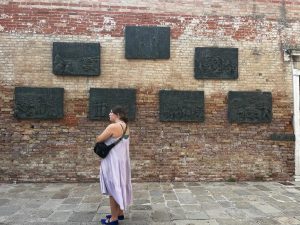
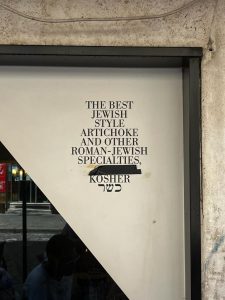
On another more sobering note, we took a short gondola across to the formerly segregated Jewish ghetto to walk through the history of anti-semitism and Holocaust atrocities still whispering from the walls of this neighborhood. I personally didn’t know the extent of this historical context in Italy and the role it played in the Holocaust, but it certainly shifted the tone of the group to a more pensive and visceral feeling of walking on Italy’s dark past in addition to its beauty and charm. It was a moment of realization in which we reflected on no matter how lovely a facade a nation puts forth to its brief visitors, looking a bit closer can reveal the evils that plague every society since the dawn of civilization, and we are no exception. It was here that students decided to contribute to the local economy by buying glass souvenirs from Jewish family-run stores.
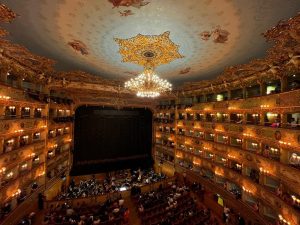
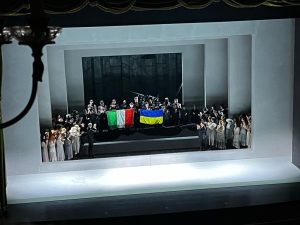
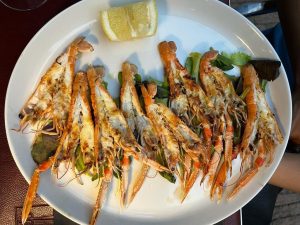
We concluded our time in Venice with another spectacular opera at Teatro La Fenice, Wagner’s The Flying Dutchman. Dr. Rubinoff facilitated a gripping discussion after the show when we all funneled out of the opera house with jaws on the ground and questions swirling in our still-ringing ears. We discussed Wagner’s fame as a composer and controversy as a German nationalist with anti-Semitic undertones, which complicates his lasting popularity in music appreciation. Additionally, it was simply a confusing production with disturbing misogyny and existential dread visible underneath the undeniable talent of the performers. After our experience in the Jewish ghetto, we were very moved by the cast displaying the Italian and Ukrainian flag at the end of the show, which deepened our reflection on societal evolution from past to present in the face of evil. We were a bit dazed, to say the least, so we capped the night with some pocket-in-the-wall pizza. On this Grand Tour, we have at least one pervasive philosophy: when in doubt, food.

Bologna + Day Trips, June 23-July 5
We took the train to Bologna, which would mark a midway point for us to slow down and explore some nearby areas. On our first day, we ate at a pan-African restaurant to learn about other cultures’ food traditions and education in Italy. I must say, this was my favorite meal so far simply because the owner was so overjoyed at the group’s enthusiasm for food education and tradition. Of course the focus of the program is Italian cuisine and food heritage, but as 21st-century explorers, we have to consider how globalization, immigration, and expanding tastes cross-pollinate with what is considered “authentic” Italian cuisine.
Since we are spending almost two weeks based out of Bologna, we have the opportunity to learn how to explore on our own, navigate buses and trains without any hand-holding, and generally get more of a sense of our surroundings for a longer period of time rather than spending a couple days here and there. The professors took us to a local watering hole open-air pavilion where the community comes to enjoy music, food, drink, and play. This quickly became our meeting place for a nearby bite to eat and an opportunity to experience daily social recreation in the neighborhood. We took a walking tour of central Bologna where we learned about the iconic towers as a symbol of high status and bragging rights for those who built them. We also learned about the arcade architecture proliferating the city and how when the university brought in more students, they needed to expand the housing capacity by building over the streets. It is amazing to notice such distinct architectural themes from city to city, and Bologna is definitely unique in the lovely arcades lining nearly every building, and we certainly appreciate the shade as we walk through the heat of the day!
We had a much-appreciated rest day after 9 days of non-stop motion and sponge absorption. Some of us went to a yoga class and relished in the normalcy of personal wellness in another country, culture, and language. It was a nice way for students to venture out into the community independently and experience an average, every-day activity amongst locals. Having more extensive free time encourages students to venture out more and more, gaining confidence in their independence to navigate the city on their own and even become comfortable in their own company rather than constantly with someone else or in the group. These are strategic steps toward preparing students for an upcoming solo travel assignment!
We got lunch at an osteria with surprise visitor Dr. Corey Johnson, head of the Geography, Environment and Sustainability department at UNCG. I got a pumpkin-stuffed tortellini that was absolutely spiritual. The osteria we were at was a wonderful example of how it is meant to be casual, working folk just looking for quality food during their long lunch break to escape the heat. It seemed as though there was only one exasperated server spread thin, serving a rambunctious group of men, a couple guys in orange reflective vests, and of course, a group of eleven tourists (only two of which speak Italian). It showed that the osteria is for everyone, and whatever their day looks like, they all come to one place for a simple, high quality menu. Dr. Johnson joined us on a tour of the University of Bologna, which astonished me as the oldest university in the world! Similar to the University of Padova, we explored the university’s cadaver theatre, lecture halls, and impressive architecture.
We took a three day trip to Rovereto, a quiet mountain town in the Dolomites to get away from the bustle of the cities we’ve experienced so far. We went to the Museum of Modern and Contemporary Art of Trento and Rovereto as a change of pace from the ancient and renaissance art we’ve seen so far. I was so surprised to see a painting by Gustav Klimt which hung in my mom’s house when I was growing up. “The Three Ages of Women” depicts a mother holding a daughter, with an elderly woman standing to the side, naked and despondent. It was incredibly moving for me having grown up in a house of three generations of women, each in their own challenging phases of life yet cosmically connected to the other. Although I digress, making these connections with our own lives while abroad helps to bridge the gaps of time, space, and cultural divides.
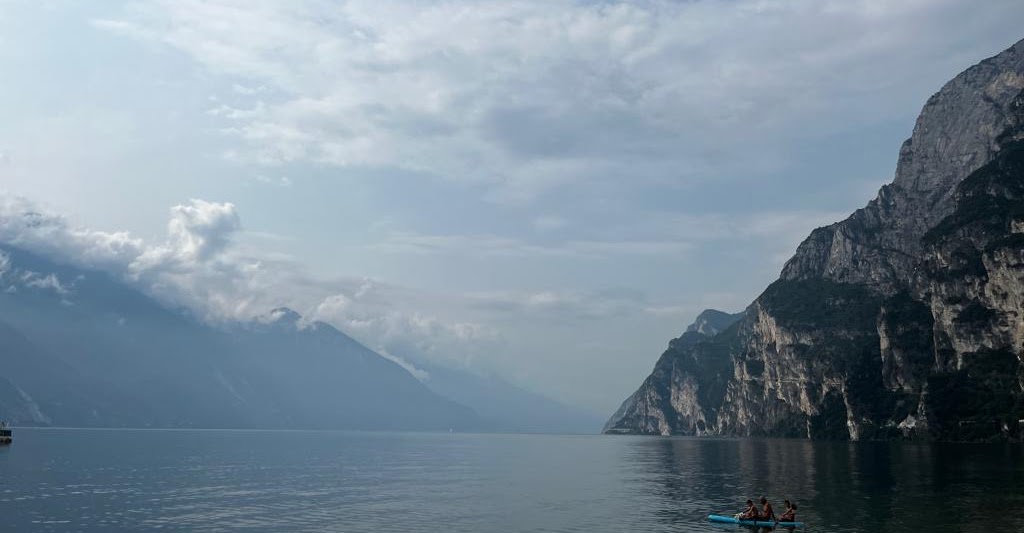
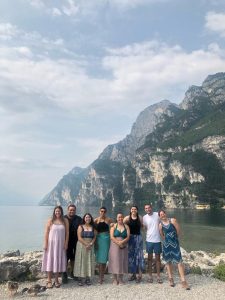
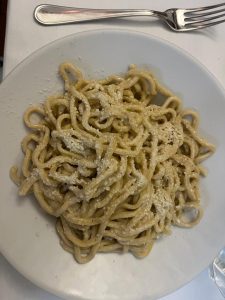
My favorite day of the trip thus far was taking the bus from Rovereto to Riva Del Garda to spend a relaxing day swimming in crystal clear and crisp water of the Lago di Garda, which was a soothing remedy against the heat of the previous week. We took a lift up to a mountainside castle ruin overlooking Riva Del Garda, where we had local foods such as salmonized trout and clams. While exploring the castle ruin, some students got into conversation with some other travelers who were very interested in the concept of the modern “sustainability” Grand Tour. The students were very keen to share what they have learned so far and impart some travel advice. Overall, this day was a much appreciated day to re-set ourselves with no explicit itinerary other than to enjoy the beauty around us. Dinner was at a quiet restaurant with an amazing menu (even plenty of gluten free options for our gluten free student) and TRUFFLE pasta! Dr. Allen used this quiet space to reflect with us on many of the cultural nuances of the Dolomites, food traditions, and the history of this land.
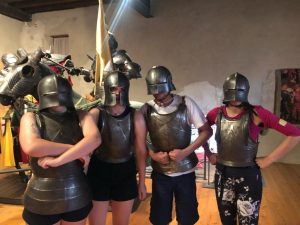
We had the opportunity to serve as guinea pigs for a potential new Grand Tour itinerary item, hiking to Beseno castle, which was a great group activity to encourage morale, push some comfort boundaries, and earn the amazing views at the top. The perfect blend of history and fun within the castle kept everyone engaged and excited despite the heat and sun. We learned about the architectural history, the need for the mountain people to protect the region from Venetian invaders who were raiding for quality wood for their armadas, and also the innovative ways buildings were designed for natural heating and cooling in the 15th century. The students also had fun trying on armor and testing their jousting and crossbow skills!
One thing I think the program could incorporate during this sojourn is the possibility of a short-term host family stay in the mountains. We had a few days here to explore, and I am a huge poster child for the benefits (and challenges) of staying with a host family. Especially on a program where the group is very small and tight-knit, this would be yet another opportunity for students to explore the independence, adventure, humility, and open-mindedness that comes with staying in a stranger’s home in a foreign country. It almost goes without saying that they would experience a typical day-in-the-life of a local family, perhaps have a home-cooked meal, maybe make some lasting connections, and globe-trot further into a microcosm of culture.
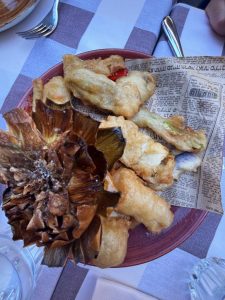
We took a day trip to Florence where we walked around a garden overlooking the terracotta-roofed city. After circumambulating the Duomo, we ventured into a pocket-in-the-wall, unassuming osteria which had a staircase into the cellar where we dined. Practically underneath the Duomo itself and the heart of Florence’s crawling tourist epicenter, Dr. Allen led us to this secret local hideaway for lunch. However, today was the day where all of Dr. Allen’s navigational instruction and experiential learning was to be put to the test. We all parted ways after lunch with a simple assignment: go find the best gelato in Florence, and get home safely and independently. This was the first intentional independent travel assignment (other than the free days we have had to explore and relax in Bologna), a small step toward being able to navigate independently and travel solo with their own agendas in a foreign country.
On our last day in Bologna, the task was simple: pick a spot on the map and go. For some, this was a daunting challenge. Some students had never done anything like this before, having to navigate, figure out train tickets and platforms, and explore a new place by themselves. Understandably, there was a reasonable amount of anxiety leading up to their journeys and Dr. Allen supported with answers to questions and reassurance. However, this was the pivotal moment of claiming self-sufficiency and a sense of self-driven curiosity, much like the original Grand Tourists. Only a significant difference is we all have pocket-sized safety nets of constant communication and navigational capabilities. One student wondered what it would be like to eat a meal by themselves at a restaurant. Another worried about missing their train home and being stranded in a strange city. The ultimate goal was for everyone to realize a very important lesson: are these concerns worth not trying? Should we let our anxieties dictate our lives? Are we not the captain of our own ship?
As you may have expected, students returned beaming to the brim, thrilled with themselves and what they did with their days. Over lunch they all shared where they went with little anecdotes, but ultimately the collective takeaway was a resounding, “Wow, I can travel on my own, and it is so rewarding.” This is why I love study abroad so much, and I’m sure a similar sentiment laced the Grand Tourists’ mindsets upon returning from their travels. Of course we gain so much from the academic learnings, the museums, the archaeological explorations, etc. However, the most incredible education study abroad provides is self-sufficiency, confidence, and applicable life skills. I personally think this is the coolest aspect of this Grand Tour adaptation: the intentional pedagogy of learning how to be a competent traveler in terms of cultural curiosity, individual responsibility, and self-awareness.


Napoli, July 6-10
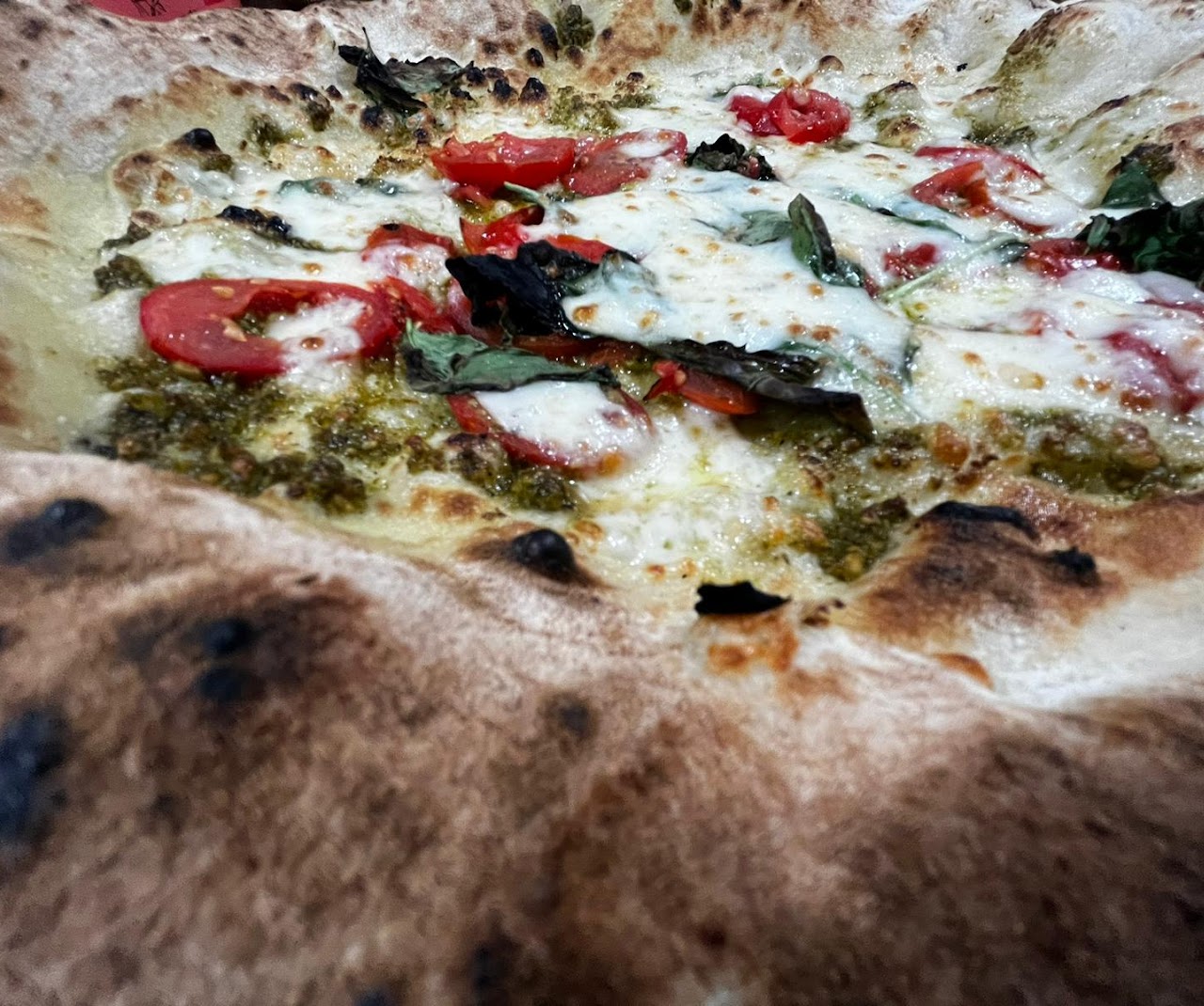
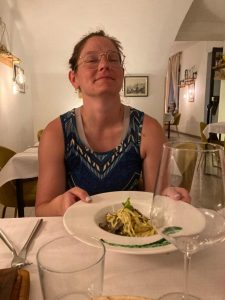
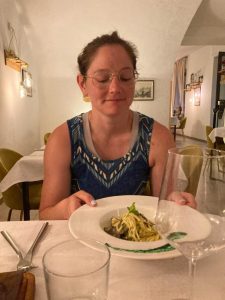
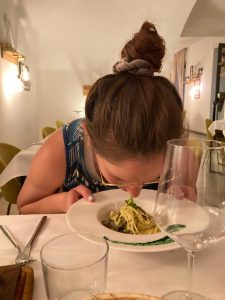
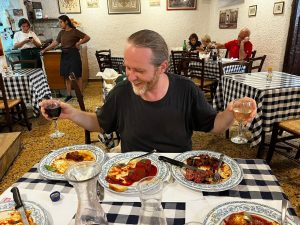
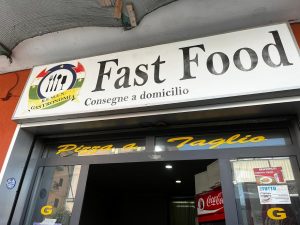
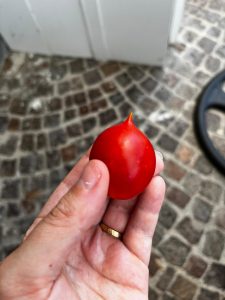
Napoli is a complex city with twisting alleys of cobblestone, a fair bit of harsh city life, but most importantly: amazing pizza! We have spent every day of this trip searching for the perfect place to eat, and Napoli is no different in that sense. Dr. Allen did inform us ahead of time that Napoli would not be as quaint and cozy as other cities we’ve visited, and that it does have some more rougher areas of which we should be mindful. Although we were to spend most of our time touring historic places surrounding Napoli, we did manage to find the best local places to eat within the city. Cafiero et al. explore how traditional food, tourism, and local development interact. Of course, most tourists use the internet and travel apps to figure out what to do and perhaps more importantly, where to eat. Pushing these themes of local, traditional food has been central to strategic tourism infrastructure in Italy to cater towards the more mindful tourists seeking “authentic” experiences (5). As we have seen so far in this experience, food traditions are very important to the restaurant owners we’ve had the opportunity to speak with. Many of them are passionate to make traditional, local foods central to the tourist experience of Italy. It’s important for this group of students to see how excited and genuinely happy people become when they realize a group of American students have come to Italy specifically for the Slow Food experience. This feeds back into our sentiments of being a mature, empathic, and mindful traveler, to realize that our presence does have impact and does make a difference in both the category of sustainability and significantly in the category of cultural exchange.
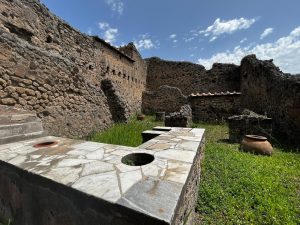
We spent our first day learning about the historical art and artifacts of Pompeii and Herculaneum. Dr. Rubinoff explained how much of the recovered archeological findings from the destroyed cities were moved to the Archaeological Museum of Naples for their conservation and safety from thieving. Apparently, since the cheap-o plastic souvenir shops weren’t prolific back in the day, the original Grand Tourists of the 17th-18th centuries were known to take home items from the ruins of Pompeii and Herculaneum as souvenirs. Of course, the concept of archaeological conservation as we understand it today didn’t exist yet. Others would pilfer through the wealthy homes of the destroyed cities and sell off stolen artifacts. Yet more groups uncovering the more PG-13 artifacts and artworks determined that these cities deserved the wrath of Vesuvius for their perceived hedonistic morality.
Being able to see the preserved artifacts and frescos within the museum allowed us to imagine and quantify the magnificence of these cities before their demise. We could reflect on the sophistication of their society, the craftsmanship of the mosaics, and the symbolisms behind the subjectively unsavory artistic motifs. However, yet again our initial reaction to the grandiosity of ancient civilizations such as Pompeii and Herculaneum grow more complex when we gaze upon astounding feats of architecture, engineering, or art, remembering that much of the extraordinary craftsmanship and sheer brute labor was achieved through the exploitation of slaves. Despite the archaic beliefs that these cities deserved such horrific fates at the hands of a natural disaster, it is nevertheless bone-chilling walking through the eerie streets of Pompeii and Herculaneum. Heavy with the imagination of the terror and agony, it was sobering exploring these people’s homes where they lived normal lives like we do now two thousand years later, only for it to be smothered in the span of an otherwise normal sunny afternoon. These imaginations grow even stronger when seeing the casts of the cowering bodies and bones piled atop each other for comfort.
At this point in the program, several students have commented on how everything we are seeing and experiencing against the backdrop of thousands of years of history makes us realize how small we are. Knowing that we are tracing the footsteps of the Grand Tourists from a few hundred years ago, to the footsteps of all those that hand-built what we can still see and touch to this day, hands that have long become dust; it forces us to contemplate our own mortality and what people will think of our society a thousand years from now.
On a lighter note, we watched our third and final opera at the San Carlo Theater, Puccini’s La Boheme. Of course, if we know the story, it’s not much of a light note to end on. It was a deeply emotional performance, further underscoring how we live and die like all those before us, regardless of what we accomplish or how hard we love or hate. As cliché as it is, hopefully students take away from this experience a sense of impermanence of both the good and the bad. I view this experience as a profound reminder of the “this too shall pass” mentality, to push through what we think we can’t handle, and enjoy what we know won’t last forever.



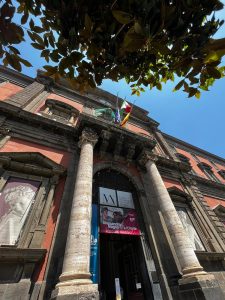
Roma, July 10-16
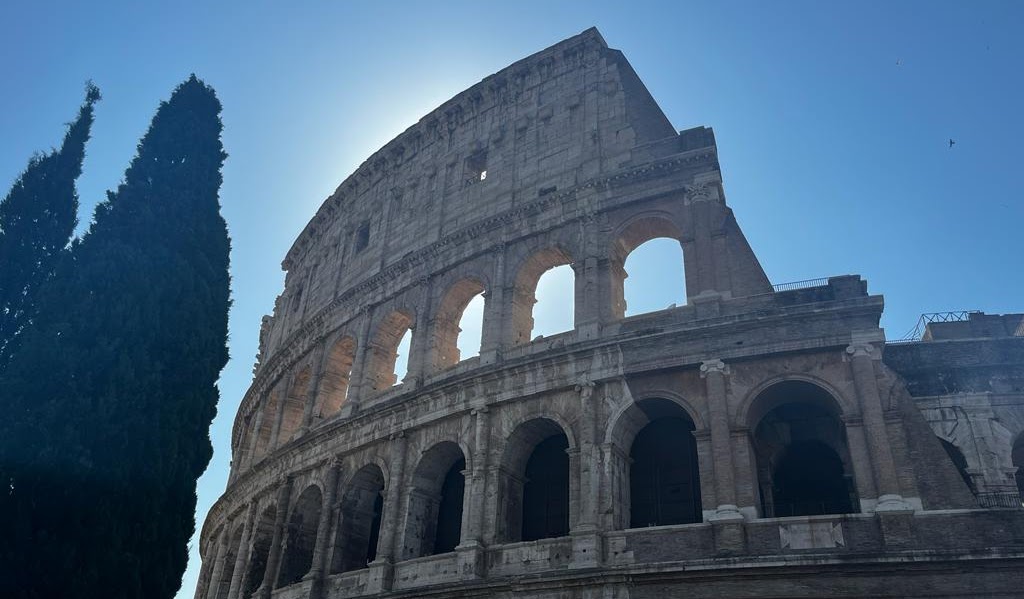
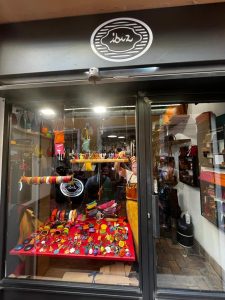
Rome has absolutely exceeded expectations, and I feel as though we have saved the best for last. This is where I feel like a genuine contemporary Grand Tourist like those before, as we walk through layers upon layers of history all stacked against each other. Drs. Allen and Rubinoff have had our heads on swivels, pointing out living histories around us between the standing aqueducts, colosseums, and the rising and falling earth upon which we walk. Dr. Rubinoff helped us to recognize the distinctions between fascist, baroque, and classical architecture, while Dr. Allen frequently pointed out ways in which modern Rome has molded itself around its multi-layered history rather than bulldozing over it. As a heatwave swept over Rome, our itineraries this week were efficient and strategic for early morning enrichment followed by an educational lunch. In the peak heat of the afternoon, students were dismissed to either explore on their own, do some mindful souvenir shopping, or wait out the heat until evening. The professors directed us to more sustainably-oriented shops for souvenirs, including a hand-made leather shop and a fine wine store.
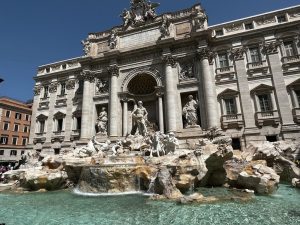
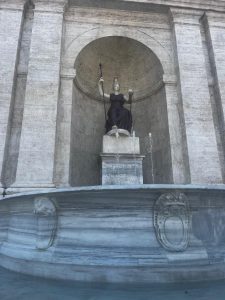
Of course we went to many of the core Roman sites such as the Colosseum, the Trevi Fountain, and the Pantheon, but this week’s tone was more about reflection and following the academic and personal interests of the group. This included several churches every day, including St. Peter’s Basilica and Basilica di San Clemente, a stunning 4th-century church still in operation. As another exercise in reflection on the finality of existence, we also toured the Catacombe di S. Domitilla & S. Callisto, where we descended below Rome’s scalding surface into tunnels of quiet, cool, and pensive hallowed ground. Here we learned about the history of Christian persecution in Rome, where they buried their deceased with dignity out of the reach of the Romans. Fast-forwarding to another era of religious persecution in Rome, we then went to the historic Museum of the Liberation of Rome housed in the former Nazi headquarters of Rome, wherein resistance members were held captive, interrogated, tortured and killed. It was a very heavy experience, but important to recognize and bear witness to in addition to the more exciting and lighthearted aspects of Italian culture and history.
One remarkable experience we had was at the Baths of Caracalla, where we toured the ruins with the assistance of virtual reality to support our imaginations of what used to be there. All of us were in absolute awe of the architectural and engineering genius of this era, wondering why we have regressed as a society in terms of the quality of our efficient designs that work with natural elements rather than against them. Dr. Allen suggested that in those days, things were built to last in such pristine quality (with slave labor, of course), whereas today we view longevity as a finite business model. In those times, people strived for life itself as opposed to today’s drive to feed the insatiable beast of capitalism at the cost of quality of life. With these brainstorms aside, the virtual reality was a very impressive tool to explore Rome’s living history with the advanced architectural feats of the distant past blending with the technological wonders of the present.
Knowing our time on the tour was nearing its end, I think we all began to savor every bite and every leisurely lunch at intentional restaurants. Clancey connects the history of the Slow Food Movement beginning in Italy with the pace of modern travel (6). Of course, Dr. Allen has been a constant voice of ethical consumption (of food and souvenirs), but I think something many of us struggled with at least once on the trip was the ever-changing pace of our travel style. As a seasoned solo traveler typically able to go at my own pace (whether quickly or leisurely, depending on my mood), sometimes it was difficult not only for me to be patient at our long restaurant experiences, but also to navigate that patience with others. Clancey extrapolates on the quote “Travel too fast and you miss all you travel for” (6, pg. 15). This was a humbling reminder for me (and I assume others in the group) to embrace the slow, even when it makes us uncomfortable. Writing this post at the end of the program, I can say that I will look back on this Grand Tour experience and the first things that will come to my mind will be sitting at restaurants with my fellow students, listening to Drs. Allen and Rubinoff talk about the food traditions, our local contexts, and the surrounding atmosphere of Italy. Of course, I’ll also fondly look back on all the times we ran to catch a train or the times we thought we couldn’t possibly walk any further to see any more ancient rocks. This was the purpose of the modern Grand Tour: to be real, boots-on-the ground travelers, with all of the chaos, the stillness, the waiting, the going, and the evolving tastes and maturity of the students. I can only imagine how this first-time experience for the students will continue to influence them as they travel through life.
Conclusion
As our Grand Tour drew to a close, we had one final multi-course meal together with the learned habits of ordering our new favorite styles of dishes. At the beginning of the program, many of us were stumbling through Italian menus, overwhelmed by all the options of antipasti, primi, secondi, and dolce. Now all the students were able to order with confidence and share about their favorite meals, restaurants, and overall experiences throughout the trip. Extending from this discussion of our food experience in Italy, Dr. Allen facilitated some reflective discussion questions about what the students thought they would miss most about Italy and what new behaviors they would return home with. I’ve spoken about how much I believe in the power of study abroad in impacting personal development, and this final group discussion confirmed how students are resoundingly more conscious about food standards and mindful eating habits they intend to continue back in the U.S. Holmes et al. also explores the phenomenon of how improving sustainable behavior among travelers impact tourism trends (3). We have seen the grotesque realities of the tourism industry in Italy, and this program has given us tools to be mindful consumers and sustainable travelers in order to be a part of the slow movement to change what a trip to Italy should look like for those truly interested in the food, the culture, and the history. At least for this group of Grand Tourists, we know that includes a lot of walking, a lot of slow dining, and never enough gelato.




References:
(1) Boulton, James T., and T. O. McLoughlin. 2013. News from Abroad: Letters Written by British Travellers on the Grand Tour, 1728-71. Liverpool University Press.
(2) Jones, Tobias. 2023. “If There’s One Thing Italians Won’t Stomach, It’s Dishing the Dirt on Their Cuisine.” The Guardian. https://www.theguardian.com/commentisfree/2023/apr/02/one-thing-italians-wont-stomach-dishing-dirt-their-cuisine.
(3) Holmes, Mark Robert, Rachel Dodds, and Isabelle Frochot. 2021. “At Home or Abroad, Does Our Behavior Change? Examining How Everyday Behavior Influences Sustainable Travel Behavior and Tourist Clusters.” Journal of Travel Research 60 (1): 102–16.https://doi.org/10.1177/0047287519894070.
(4) Coclanis, Peter A. 2016. “Study Abroad’s Seven Deadly Sins.” The New York Times. http://www.nytimes.com/2016/04/10/education/edlife/study-abroads-seven-deadly sins.html.
(5) Cafiero, Carlo, Monica Palladino, Claudio Marcianò, and Giuseppa Romeo. 2020. “Traditional Agri-Food Products as a Leverage to Motivate Tourists: A Meta-Analysis of Tourism-Information Websites.” Journal of Place Management and Development 13 (2): 195–214.https://doi.org/10.1108/JPMD-05-2019-0032.
(6) Clancy, Michael, ed. 2017. Slow Tourism, Food and Cities: Pace and the Search for the “Good Life.” Routledge.